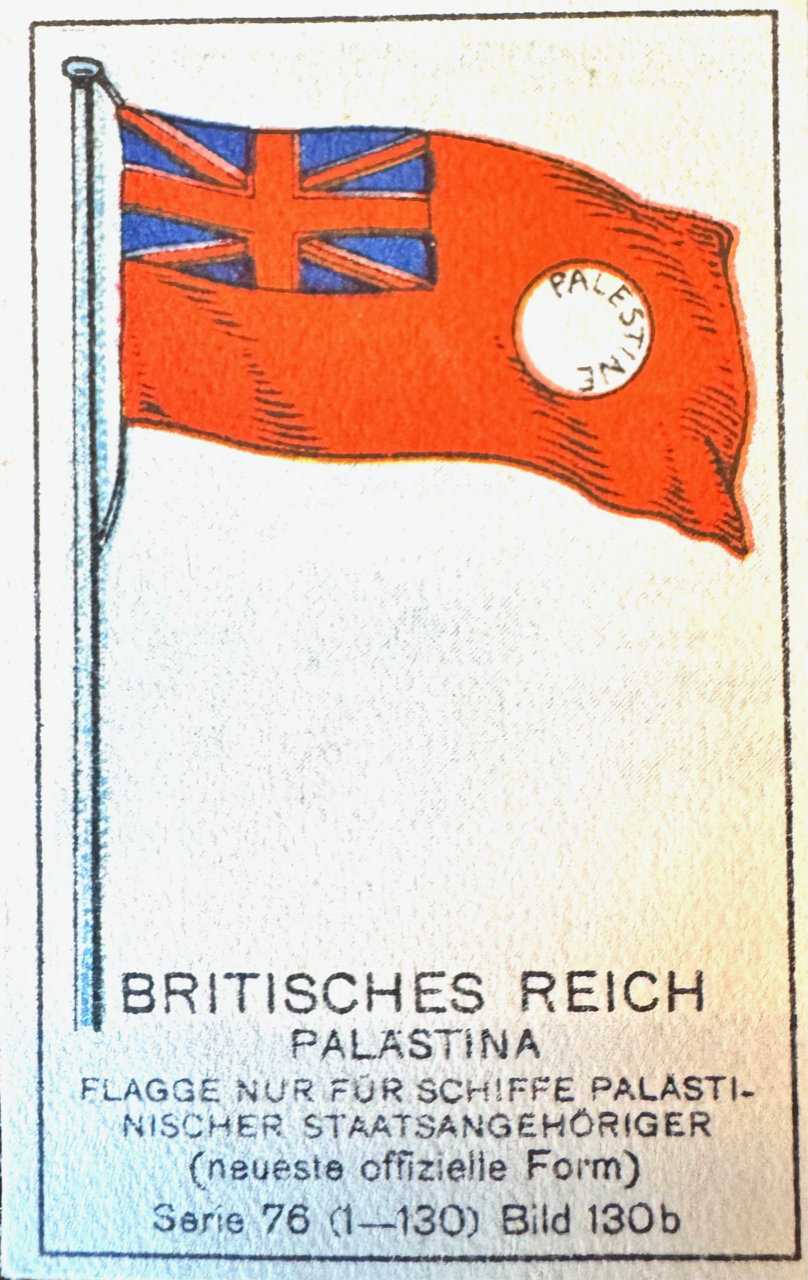
The Thanksgiving holiday has a long tradition in Canada. First Nations peoples held ceremonies to give thanks for crops and for surviving the winter, long before Europeans arrived. The first officially recorded Thanksgiving in North America was celebrated in 1578 when English explorer Martin Frobisher arrived safely in Nunavut. In 1879, the Canadian Parliament declared Nov. 6 as the official annual Thanksgiving. Only in 1957 did Parliament formally establish the second Monday in October as the day to give thanks for the country’s harvest. In the United States, Thanksgiving is celebrated on the fourth Thursday of November. Its history can be traced to a harvest celebration held in 1621 shared by pilgrims and the Wampanoag people. President Abraham Lincoln established Thanksgiving in 1863 and its date was permanently set by an Act of Congress in 1941. Thanksgiving was also celebrated in the Land of Israel (then called Palestine) during the British Mandate period. Known as Deliverance Day and held on Dec. 9, the holiday marked the capture of Jerusalem from the Ottoman Empire in 1917, during the First World War. The holiday was celebrated with religious services featuring prayers and readings in English, Hebrew and Arabic. The Arab residents of Palestine mostly opposed the holiday and largely boycotted it as they viewed it as a celebration of foreign colonial rule (in this case the objection was to foreign colonial rule by the British). This card is one of a series of Flags of the World giveaways which were included in packages of Massary cigarettes sold in Germany in 1929. Britisches Reich translates to “British Empire”. It depicts the ensign, a flag flown on a ship to show its country of origin, of Palestine. This ensign, which has the British Union Jack and a white circle containing the word “Palestine” was used on non-government ships belonging to residents of the territory from 1927 until the British Mandate ended in 1948. The Massary Cigarette Factory was founded in Berlin in 1905 and, for marketing purposes, was named after Fritzi Massary who was a celebrated and glamorous opera star and actress of Jewish origin, although she converted to Protestantism in 1903. Her association with the brand made these cigarettes very popular. The company was acquired in 1929 but the Massary brand continued to be sold until the name was removed under Nazi pressure to remove all Jewish names and cultural icons from the marketplace. Fritzi Massary herself left Germany in 1932 due to Nazi persecution. In 1939, she moved to Beverly Hills, Calif., and lived there until her death in 1969. While living in California, she presumably celebrated many U.S. Thanksgivings Treasure Trove: How a flag, a German cigarette company and a Jewish actress are connected |